How to Estimate Time and Distance on a Hike

How to Estimate Time and Distance on a Hike
Figuring out how many kilometers you need to cover and how long it will take are crucial questions when planning an expedition. We're used to road signs and speedometers telling us where we are in a car. On a hike, we'd like to know that too.
Unfortunately, it's not that simple—measuring distance in steps, especially over rough terrain, is monotonous and tedious. A map can show the total distance to your destination, but it doesn't account for hills, gullies, and other obstacles that add extra kilometers. So, distance can only be estimated. However, there are situations where a rough calculation of time and distance is not only useful but necessary.

How to Read a Map Correctly and Plan the Perfect Route

How to Read a Map Correctly and Plan the Perfect Route
In the United Kingdom, you have access to excellent maps created by the Military Topographic Service. However, not all maps are of such high quality, so you must learn to extract the maximum amount of information from them. To do this, you need to master topographic symbols.

The Skill of Land Navigation: Working with a Compass and Map

The Skill of Land Navigation: Working with a Compass and Map
The ability to determine your location is a key skill for any traveler. It distinguishes a prepared individual from an ordinary nature enthusiast and can be critical in an emergency. This is important not only in remote wilderness areas but in any terrain where one faces the elements. Confident navigation is the key to a successful trip.

Teamwork: How to Make a Hike Successful

Teamwork: How to Make a Hike Successful
Whether you're staying at a stationary camp with many people or have stopped for the night with a small group on a trek, you should always feel like part of a team. I have spent a lot of time traveling in small groups through the planet's most severe environments.

Maintaining General Hygiene on a Camping Trip

Maintaining General Hygiene on a Camping Trip
While each person is responsible for their own personal hygiene, when in a camp or on a hike, everyone must also be accountable for communal, or general, hygiene.

Waste Disposal


When setting up camp, designate a waste collection area with separate zones for kitchen wastewater, biodegradable waste, and non-biodegradable waste.

Personal Hygiene in Camping Conditions

Personal Hygiene in Camping Conditions
The word "hygiene" originates from the name of the ancient Greek goddess of health, Hygieia. And this is no coincidence, as maintaining cleanliness is not just a matter of convenience, but the foundation of well-being, especially when away from home. In camping or stationary camp conditions, where people are in close contact, any infection spreads rapidly. It only takes one person to fall ill to jeopardize the entire group's outing. Therefore, hygiene rules in nature are a matter of collective safety and comfort.

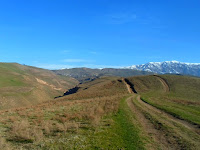
Hills behind Victory Park in Dushanbe, Tajikistan

Hills behind Victory Park in Dushanbe, Tajikistan
Decided to take a walk to the hills behind Victory Park. Overall, the hike didn't go very well, I chose the wrong time, didn't equip myself properly. Also, I didn't fully decide on the final destination of the route, just stood up and started walking. Of course, I didn't get anywhere. As Seneca said: For a ship without a destination, no wind is favorable. In the end, I sat on the top of one of the hills and then went back. I didn't feel like taking photos anymore. Interestingly, when you are not interested, nothing interesting comes your way... haha, that's life.

"Iron" Rations: What to Take on a Hike for an Emergency

Iron Rations: What to Take on a Hike for an Emergency
When heading out on a hike, it's important to anticipate unforeseen circumstances, such as running out of provisions. For this very reason, experienced hikers have an "emergency reserve" — special foods that provide a lot of slowly released energy, are lightweight, and have a long shelf life. Classic examples of this "iron" ration, tried and tested by scouts and travelers, are pemmican and pinole. They are quick to prepare, can be stored for years, and can help you endure a difficult situation.

Hydration on the Trail: How to Find, Purify, and Drink Water Correctly

Hydration on the Trail: How to Find, Purify, and Drink Water Correctly
The human body is resilient, but without water, it cannot survive more than a few days. Water forms the foundation of our bodies and is involved in all vital processes. We lose over 3 liters of fluid daily, and under hiking conditions—due to physical exertion, heat, cold, and altitude—these losses increase significantly. Replenishing them is a top priority.

How to Choose the Right Food for a Hike

How to Choose the Right Food for a Hike
The choice of food for a hike depends entirely on your itinerary and ability to carry gear. If you're backpacking and covering long distances on foot, the priority is lightweight, compact food. For a stationary basecamp accessible by car, you can afford a much wider and heavier range of provisions.

Popular Posts